The V8 engine was actually invented about 1903 and produced in limited numbers by the French firm DeBion-Bouton. Introduced in 1914 as the standard engine for all 1915 models, Cadillac’s first V8, the Type 51, used a 90-degree layout with three main bearings, L-head combustion chambers and water cooling. With a 3.125-inch bore and 5.125-inch stroke, the engine displaced 314 cubic inches and produced 70 horsepower at 2,400 rpm.
Cadillac’s initial design was a true high speed engine with excellent volumetric efficiency and relatively light reciprocating components. There were countless design improvements over the French engine, most importantly, the first use of a thermostatically controlled cooling system that was eventually adopted by all car manufacturers.
In its first production year, Cadillac put nearly 13,000 vehicles equipped with V8 engines on the road and soon earned world-wide praise for unprecedented smoothness and performance.
The L-Head was on the Ward’s 10 Best Engines of the 20th century list.
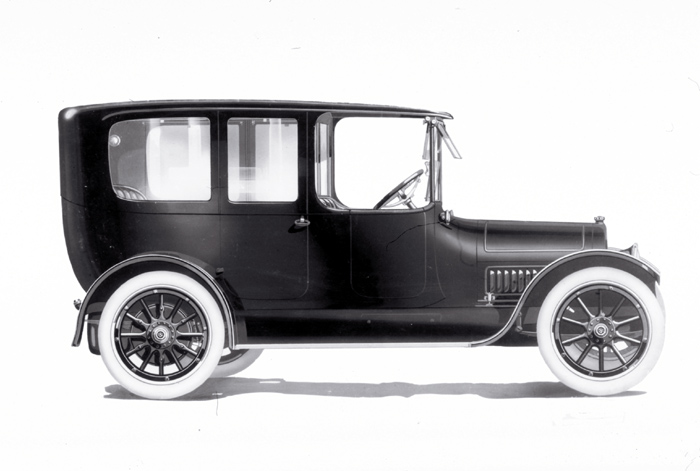
1915 Cadillac Type 51
The Cadillac Type 51 was a large, luxurious automobile. The similar Types 53, 55, 57, 59, and 61 lasted through 1923, when the design was substantially updated as the Type V-63.
All bodies were built by Fisher. The Type 51 was also the first left-hand drive Cadillac—all previous models had been right-hand drive, which was continued as an option. Wheelbases varied in those years, with 122 in (3099 mm) at the low end and 145 in (3683 mm) as the longest.
Cadillac’s new engine raised the bar for performance with the industry’s first V-type, water-cooled eight-cylinder engine. This 314 cubic inch engine produced 70 horsepower (gross) at 2,400 RPM and was the industry’s first major step in development of high-speed, high-compression engines.
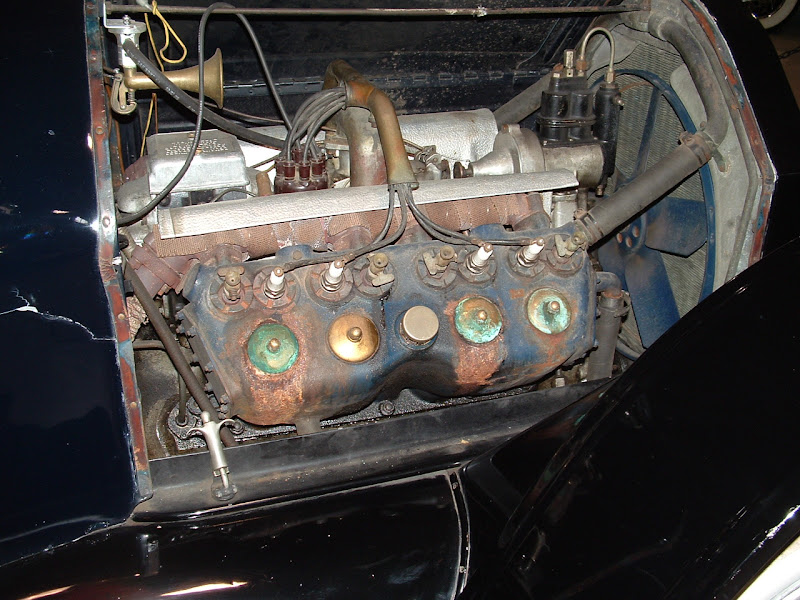
1915 Cadillac Type 51 V8 Survivor