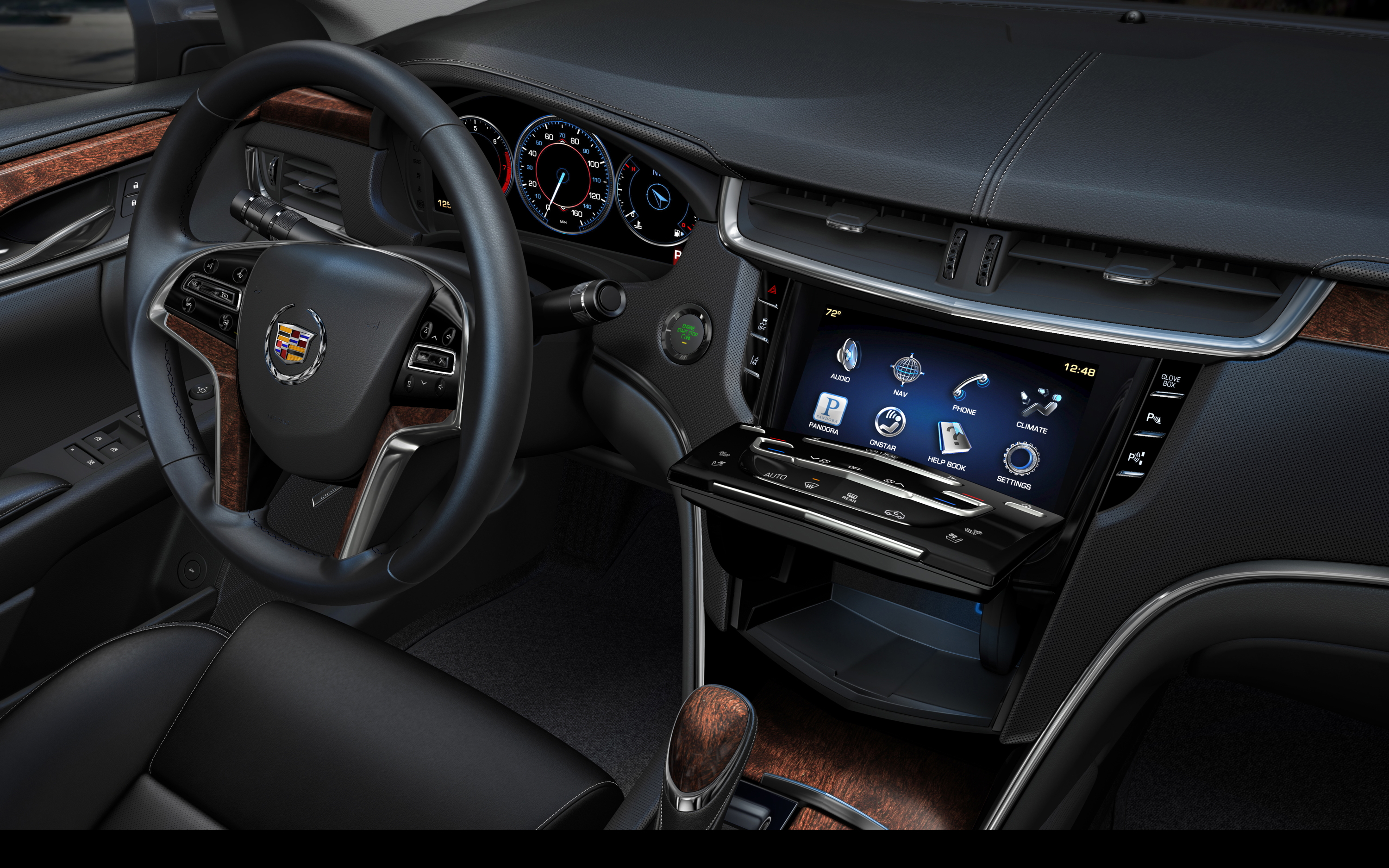
GM’s vehicle-to-vehicle and vehicle-to-infrastructure communication systems could soon prevent accidents.
Transponders equipped on individual vehicles will allow a peer-to-peer network for information flow. In other words, a passing car could warn of an upcoming traffic problem that it ‘heard’ from a car in the traffic jam. In fact, with near-real time information flow your vehicle could plan and suggest alternate routes which are reporting lower congestion. But once we have a network in place I am certain we will discover more opportunities to use the resulting information flow.
No one wants “Big Brother” intruding on their driving experience. But this discussion gives me a real feeling of deja vu from when someone first mentioned that someday we would want all of our computers connected to a network all the time. It seemed unnecessary (at best), but of course it has turned out to open up new possibilities for rapid information gathering and sharing.
Commercial possibilities seem easy — what if I could not only see upcoming fast food options on my nav system, but could also see how long the drive-in line was, and could order from a menu display on my nav system and pay electronically? The through-time on the pickup should be minimized, and a lot of what goes wrong in the order process (voice to keyboard) could be avoided.
Likewise, what if my nav system or ipad could show a near real-time networked position for all of our family vehicles, so I could see when my son arrived safely back at college? I know I could rig this via a phone connection, or added gps, but making information nodes out of every vehicle on the highway seems to have a lot of possibilities to me.
Full Release:
- System communicates with other vehicles, surrounding infrastructure and pedestrians to warn driver about potholes, construction zones and cyclists
- GM researchers put the technology into small mobile devices and smartphone applications connected to vehicle display, for easy use
- Technology expected to be available later this decade will be a significant leap in safety
DETROIT – New technology being developed by General Motors researchers could alert drivers of potentially dangerous driving situations in advance by using small, portable devices to create a wireless safety net.
These portable devices are designed to gather information from other vehicles and infrastructure to warn drivers about slowed or stalled vehicles, hard-braking drivers, slippery roads, sharp curves and upcoming stop signs and intersections.
Instead of minimizing a collision once it occurs, as most safety systems do today, these new technologies could help prevent crashes altogether. This technology, known as vehicle-to-vehicle and vehicle-to-infrastructure communication systems could help avert nearly 81 percent of all U.S. vehicle crashes, according to a study by the National Highway Traffic Safety Administration.
“These safety systems could provide a significant leap in automotive safety, but their effectiveness goes up dramatically as more people use them,” said Don Grimm, senior researcher for GM’s Perception and Vehicle Control Systems group. “By putting the technology into portable devices, we could make this potentially life-saving technology widely available and more affordable.”
GM has been testing the technology in two mobile platforms: a transponder about the size of a GPS unit and a smartphone application that can be tied to the vehicle’s display unit. GM is l showcasing the technology this week at the Intelligent Transport Systems World Congress in Orlando.
The portable transponder has its own display screen. For the smartphone application, GM engineers can connect the smartphone to the vehicle’s audio and video display systems to seamlessly integrate notifications into the automobile.
The embedded system, portable transponder and smartphone technologies all use Dedicated Short-Range Communications, or DSRC, to transfer data between devices and have a communication range of about one-quarter of a mile in all directions. The DSRC radio can send and receive messages with other vehicles in the area, as well as communicate with fixed radios connected to traffic signals or construction zones.
These systems can provide critical information using basic location data. For example, if the driver at the head of a string of vehicles applies the brakes, those that follow can automatically get an alert. Two vehicles approaching an intersection can warn each other before the drivers can see each other.
When fully connected to the automobile’s computer system, these devices also can relay information already being collected by sensors throughout the automobile. The sensors that activate electronic stability control, for example, could alert drivers in other vehicles about hazardous road conditions ahead.
As an added benefit, the smartphones have the potential to be used by pedestrians and bicyclists, who could download a special application to let drivers know their location. The technology could help prevent vehicle-to-vehicle collisions and also reduce the number of collisions with pedestrians and bicyclists.
“The technology we’re testing right now is a viable solution for providing crucial safety information to drivers,” Grimm said. “Instead of just seeing what’s right in front of them, drivers will be able to know about the truck a quarter-mile ahead that’s stalled in their lane. Later this decade, smartphones, transponders and embedded systems could be working together to make our roadways safer.”
GM is working on embedding these communications systems into new vehicles, but with the average age of U.S. vehicles at 10.2 years, according to Polk, GM researchers also have been focusing on finding ways to retrofit automobiles already on the road.