When is 3L better than 3.6L?

Cadillac replaced the LY7 non-direct injected 3.6L V6 as the base engine in the CTS Family in 2010.  The new base engine is the LF1 3.0L direct injected V6.  How do these two engines compare?

The LY7 V6 was used by Cadillac from 2004-2009.  Originally it made 255 hp, but was improved to 263 hp in 2008 in this application.  To be specific, 263 hp (196 kW) @ 6400 rpm and 253 lb-ft (342 Nm) @ 3100 rpm of torque.

The LF1 V6 is a 3L variant of the direct injected 304 hp 3.6L V6 in the CTS Performance or Premium models. In the CTS family it makes 270 hp.  To be specific, 270 hp (201 kW) @ 7000 rpm and 223 lb-ft (302 Nm) @ 5700 rpm.
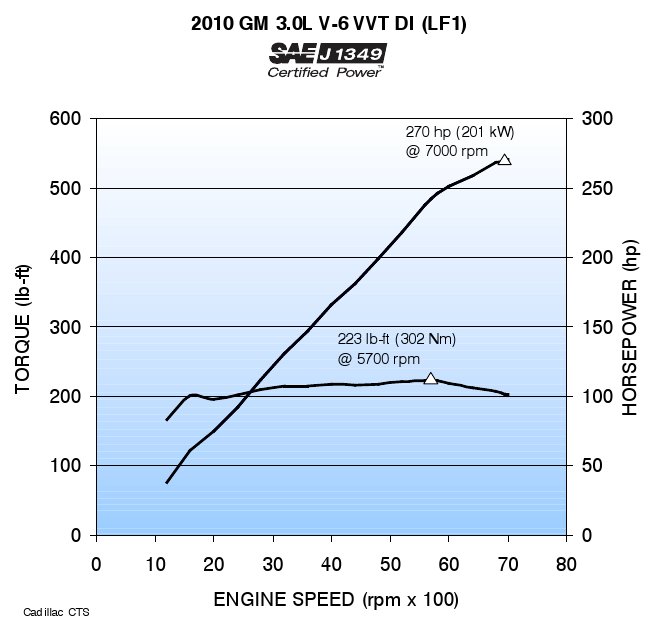
It is sometimes said that people buy horsepower, but they drive torque.  The 3.6L non-DI LY7 V6 in this case makes more torque than the LF1 3L V6, and it makes it much lower in the rpm band.  Both these engines are variable valve timing engines, so although it looks like the 3L is ‘tuned’ for power at higher RPMs, the technology should allow for both low-end power and high-end power.

The difference in displacement, in this case 20%, from 3L to 3.6L, allows the 3.6L to make 253 lb ft of torque at 3100 rpm where the LF1 3L appears to be making around 215 lb ft of torque.  That is a big difference in how these two engines would feel in the CTS.  The LF1 is making good power, but it will need to be wound up a bit to do so.

There may be other advantages to the 3L direct injected engine over the 3.6L non-DI engine in terms of emissions.  Direct injection’s high pressure fuel delivery system allows for partially stratified operation, helping to reduce emissions up-to 25%, on cold starts – the time when most engine emissions are typically created.    Having both engines in the CTS use the same type of fuel injection may also help simplify the configuration of the vehicle — same fuel pumps for example — over producing variants with non-DI and DI engines together.

The clear boost for the 3L LF1 engine would be to introduce a supercharged or turbocharged variant of this power plant.  This engine family was originally developed to be well suited to work under pressure.
CTS Seat Experiment — The Loaner CTS

Took my 2005 Cadillac CTS over to Crest Cadillac in Plano, Texas today to see about the Service Air Bag light on from The Great Cadillac CTS Seat Experiment. I had emailed and called ahead to make an appointment, and my Service Adviser was waiting for me when I arrived.  We briefly discussed the situation, and then I worked with the Loaner Car desk to get the Loaner car setup and I was off.  In and out around 20 minutes total.  Everyone was very nice and helpful, especially since I arrived at the extended hours opening time of 7 am.  Crest’s service hours make it super easy to drop off your Cadillac for service and still get to work on time.

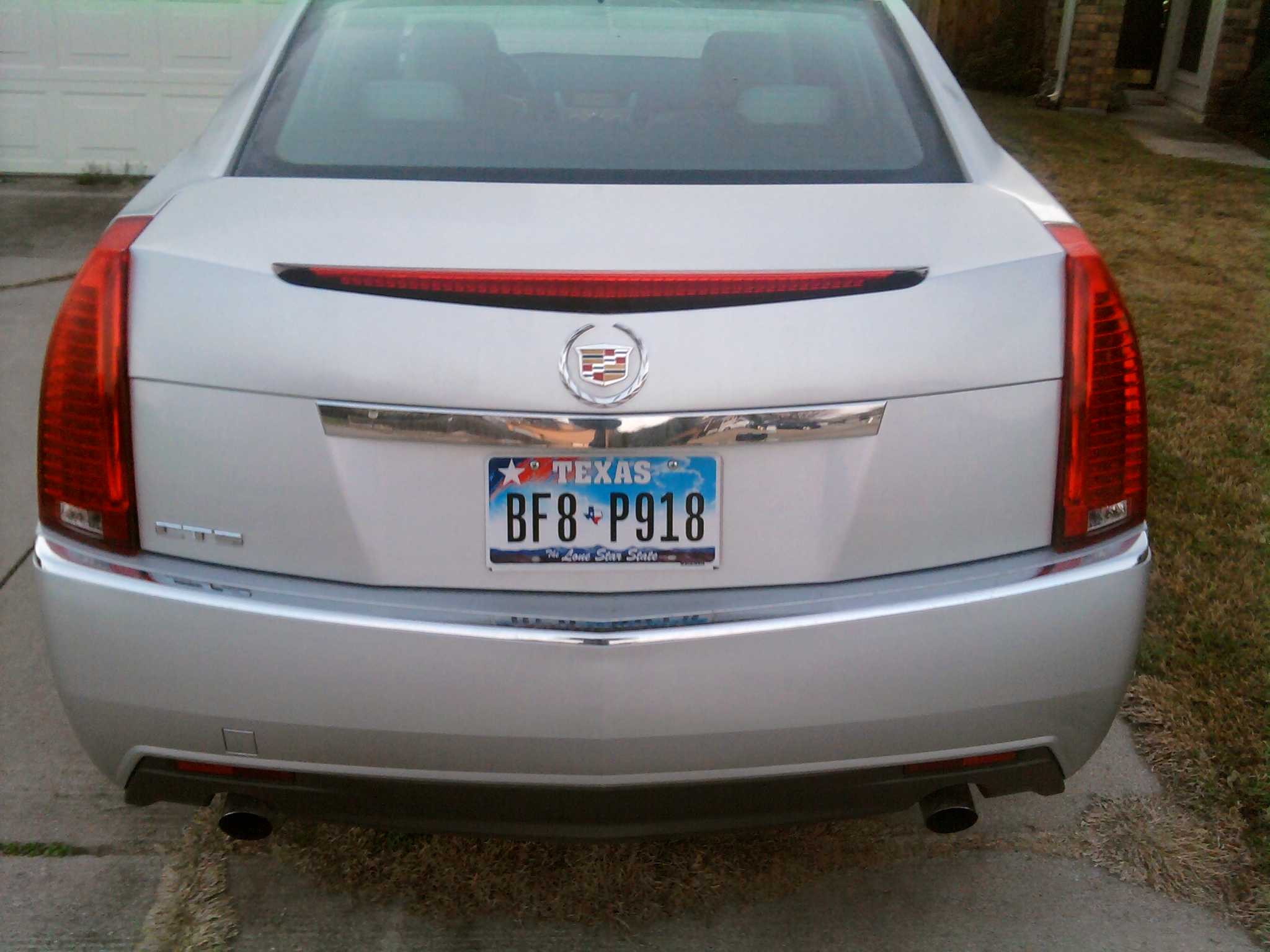
The Loaner CTS appears to be a 2010? Cadillac CTS 3L with 9k miles or so.  Light platinum exterior, neutral leather (now called cashmere?) interior.

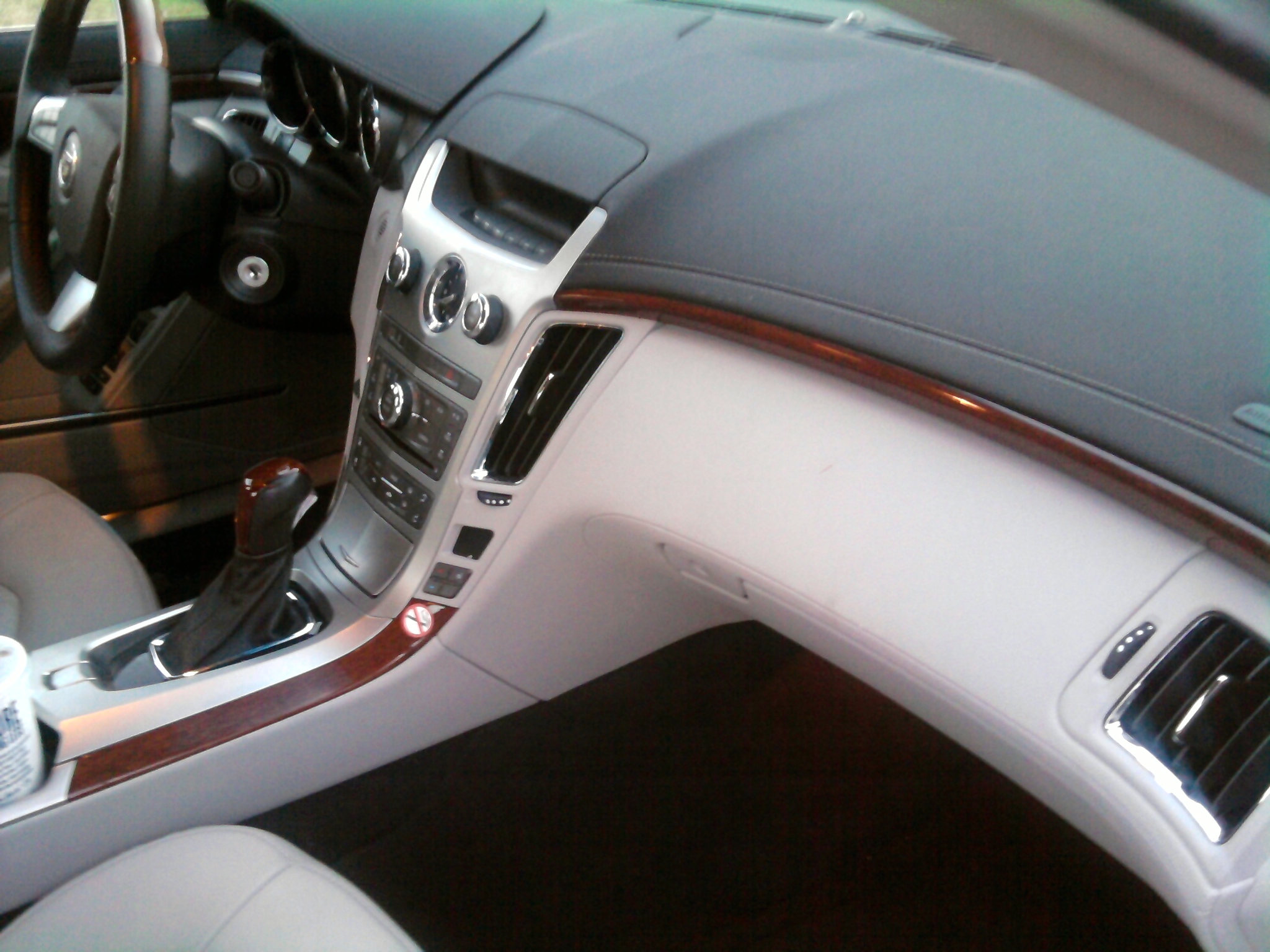
UPDATE:  the loaner car is a 2010 CTS 1SD 3.0L Luxury Model.  So it has Luxury Level One Package, including (ARH) heavy-duty pet guard cargo net, (RYJ) retractable cargo area shade, (UA6) theft-deterrent alarm system, (U2R) audio system, and (TSQ) accent lighting, 6 disc CD player, leather upgraded seats, and bluetooth.  The wood trim accents are also part of this package.


No insignia on the rear left which I think indicates this is the 3.0L model and not the 3.6L model.


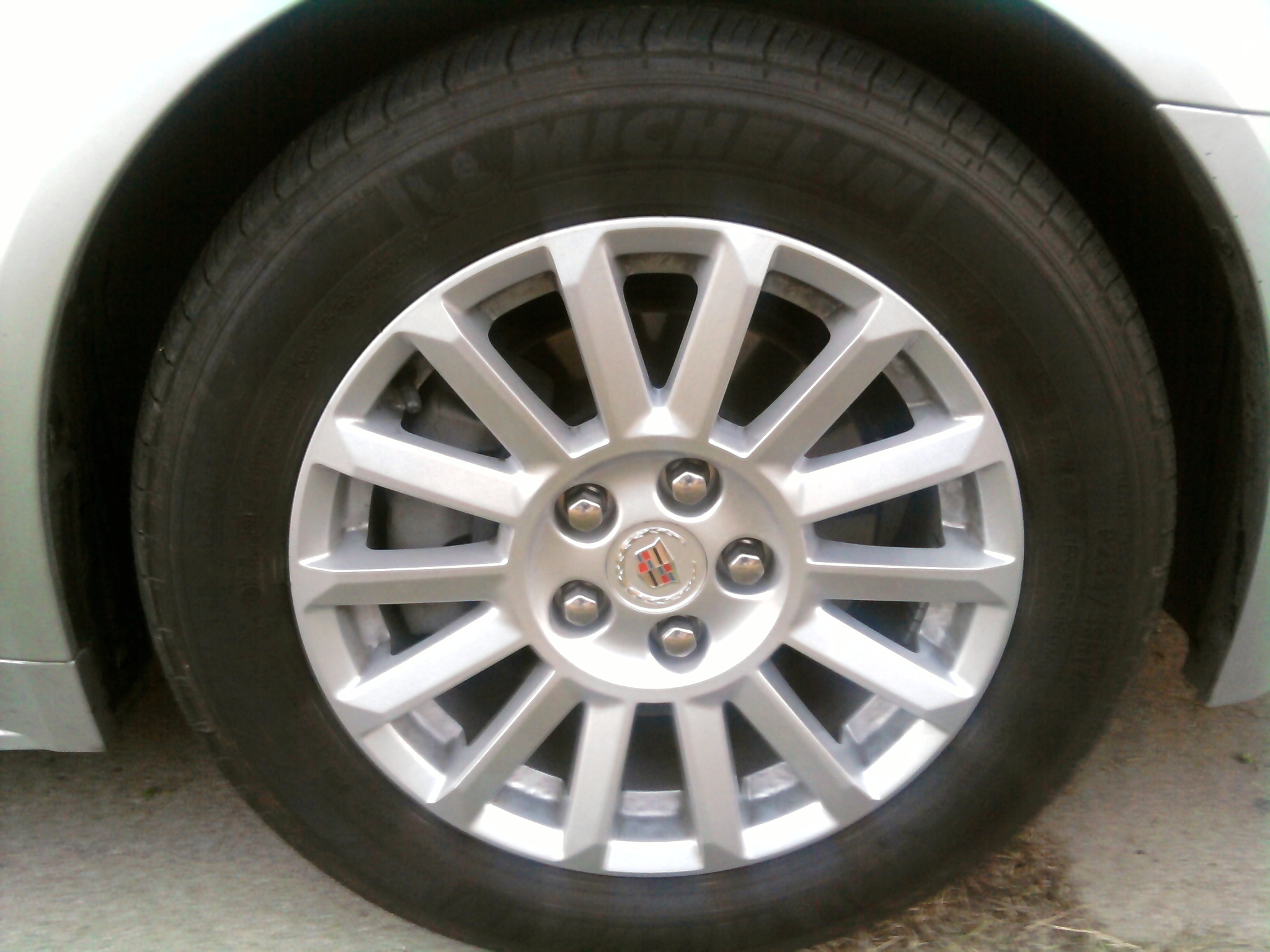
These wheels are a 1000% improvement over the 08-09 base model wheels. I love these, although I suppose they are difficult to clean. Certainly worth the trouble though.


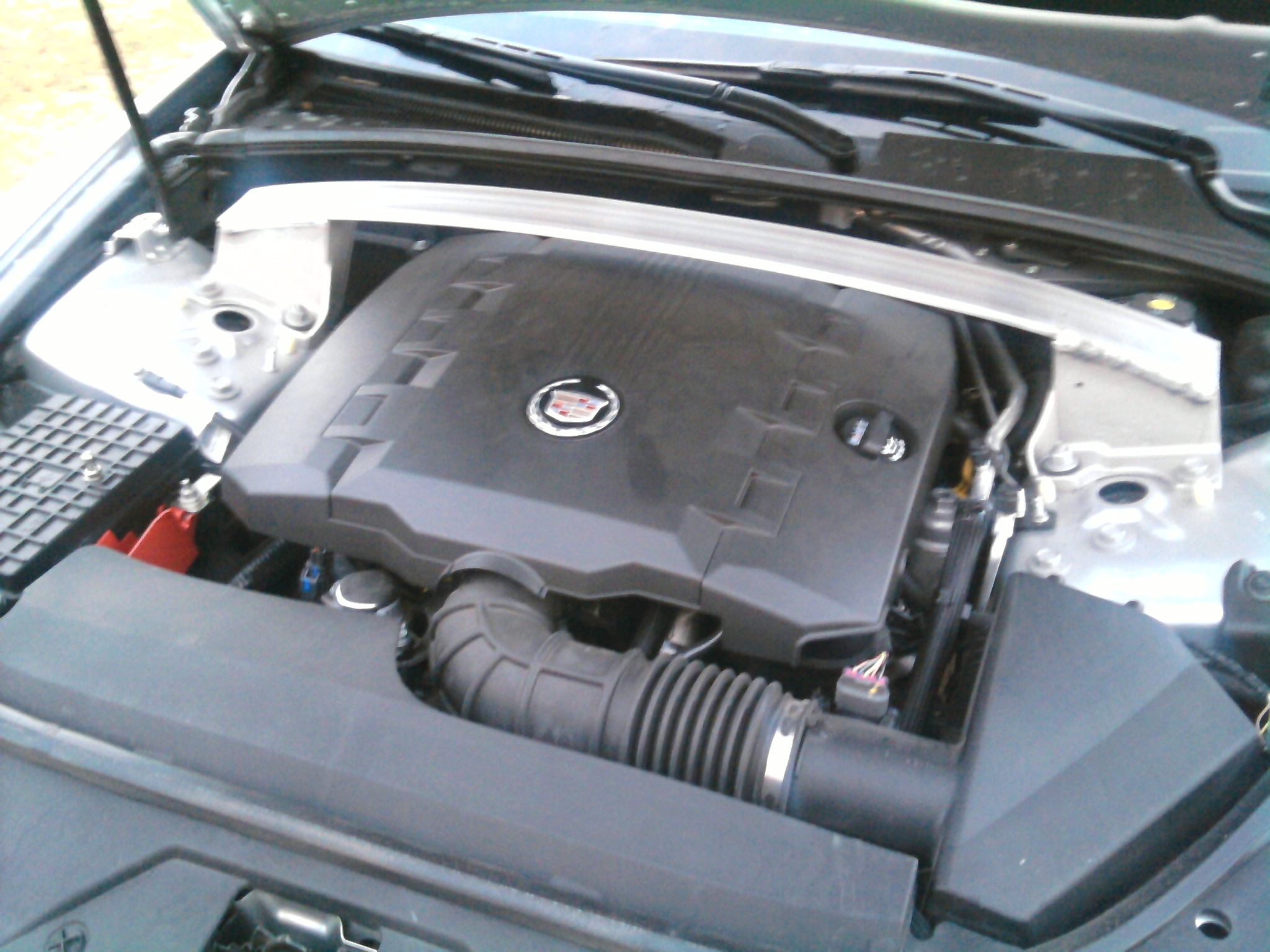
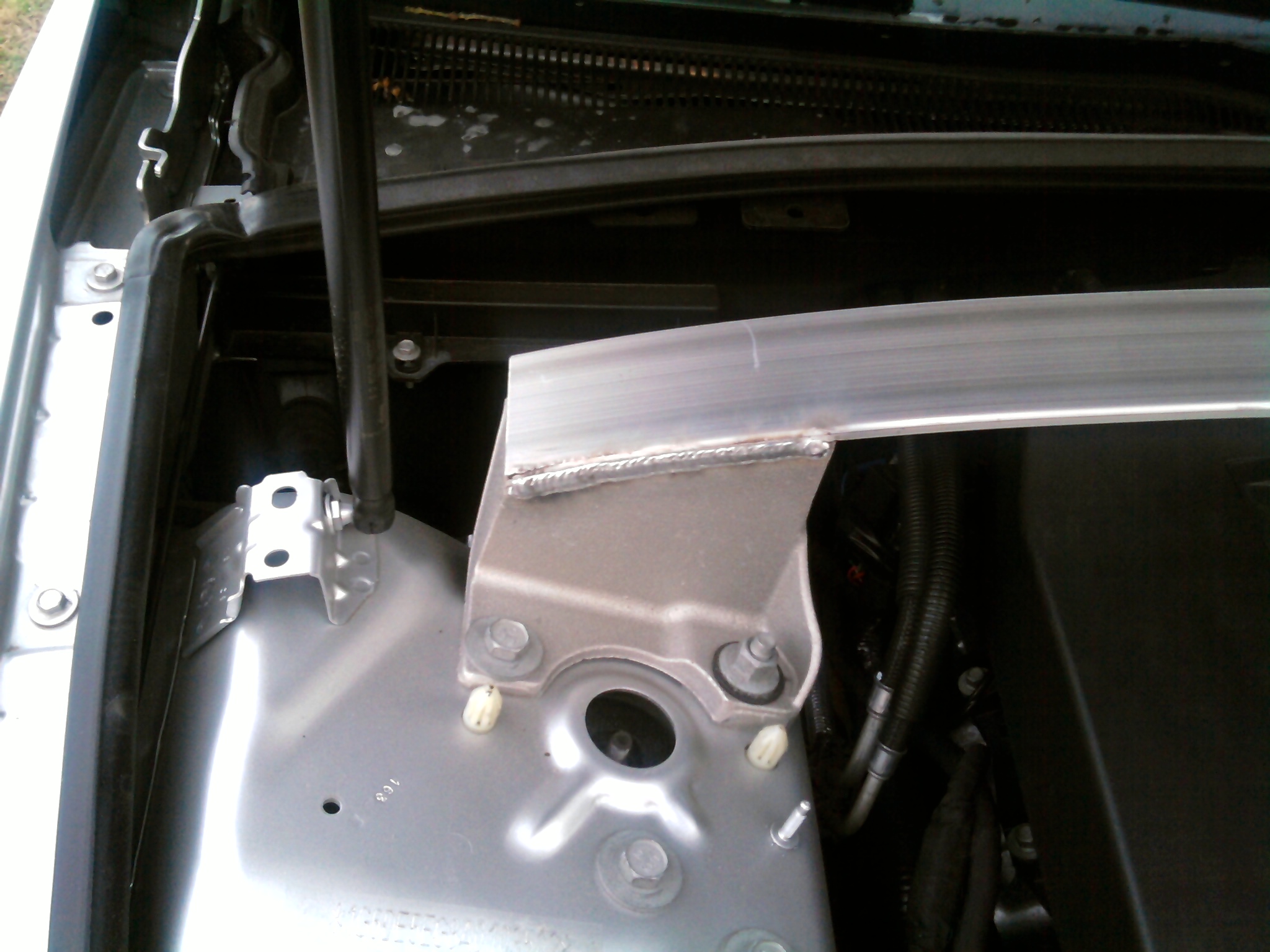
Engine compartment shot. No markings on the engine cover, which seems uncharacteristic. I would have expected the cover to say VVT, DI, 3L etc. Look at that strut brace! Here is a closeup:


This has a very ‘aftermarket’, serious look to me with the exposed weld. I like it, but surprised to see it as the ‘stock’ piece.


I am a sucker for the wood trim steering wheel and shifter.

Overall this CTS drives very well. I am jealous of the manual-shift option on the 6-speed automatic transmission, and it holds selected gears which is perfect.  The 3L seems to have plenty of power for the CTS.  This combination has gotten a lot of mixed reviews from the buff books, but I am not sure why.  The 3L and 6-speed automatic seem to work very well together to me.

Hopefully I’ll get my 2005 CTS back today; God willing and the creek don’t rise they just need to run a diagnostic to correct the airbag issue.  I have ordered a new control panel for the driver’s door to address the new discovery that the new driver’s seat is a memory seat.  In other words, it wants to move to the position that I select when I open the door with my remote so it is ready for driver 1 or driver 2.  Unfortunately, my CTS does not have the position selector switch, so I have ordered one.

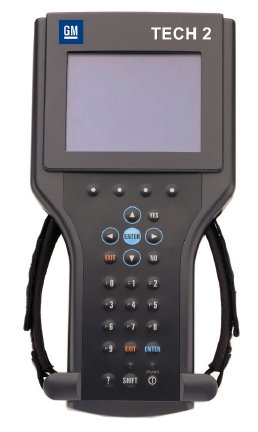
GM Bosch Vetronix HP Tech 2 with CANDI

General Motors Repair Technicians use a hand-held computer called the “Tech 2” to diagnose and tune modern vehicles.   It is called the Tech 2 because there was originally a Tech 1, and this is the update.

GM Tech 2

Tech 2

The Tech 2 is like a scan tool on steroids, with some additional tuning options thrown in.  As a scanning tool, the Tech 2 excels.  While an off the shelf scanner will read the Engine Diagnostic Trouble Codes (DTCs), the Tech 2 will read and report information from all the car’s systems, including ABS, Air Conditioning, Air Bags, and other systems a standard scanner will not read.  For example, in my CTS Seat experiment after the seat was replaced the Tech 2 must be used to run a Passenger Presence System relearn.  There is no other way to run this tuning step other than with the Tech 2.  Similarly some vehicle customizations or radio resets require a Tech 2 to perform.

Bosch has this informative video on the Tech 2: Bosch Tech 2 Video

Vetronix made the Tech 1.  The original GM Tech 2 was made by Hewlett Packard and used Vetronix software.  Vetronix purchased the Tech 2 manufacturing rights from HP.  In 2003, Vetronix was acquired by ETAS, a supplier of standardized development and diagnostic tools for electronic control units. In 2006, the Vetronix Aftermarket division merged with Bosch Automotive Aftermarket, responsible for supply, sales and logistics of automotive parts for service of the vehicle.  So today the Tech 2 is ‘made’ by Bosch.

The Tech 2 is used for GM Vehicles from 1992-present.  It is kept up to date by updating the 32  MB Pcmcia memory card with the latest diagnostic software.  Current cars with the CAN bus require the CANDI interface for the Tech II to communicate with the vehicle.

A Tech 2 costs — pick a number.  New models appear to cost as much as $4K, and the retail price is shown as even higher — as much as $8K or $9K depending on the site.  Discount new units are available for as low as $2300 on ebay for example, and used units run a bit less.  There appears to be a market in Chinese clones for the Tech 2 and software, although I am opposed to piracy of intellectual property.  My impression from shopping is that you should budget around $2K for an authentic Tech 2 in good condition with all accessories, 32 MB card, and CANDI module.

In the future GM appears to be moving to a laptop based scanning and diagnostic tool using the GM Multiple Diagnostic Interface (MDI) EL-47955.  The GM MDI will replace the Tech 2 for diagnostics in the future, but will not replace the Tech 2 for 1992-2009 vehicles.

The GM MDI is a compact communication module that manages the transfer of data between a vehicles onboard ECU network and a PC.  The GM MDI offers faster programming speed at a lower cost. Depending on the vehicle architecture, the MDI can be 20%-70% faster than the Tech2.  The GM MDI allows the user to perform Pass-Thru programming procedures using software running on a laptop or desktop PC.   Any PC can be used.