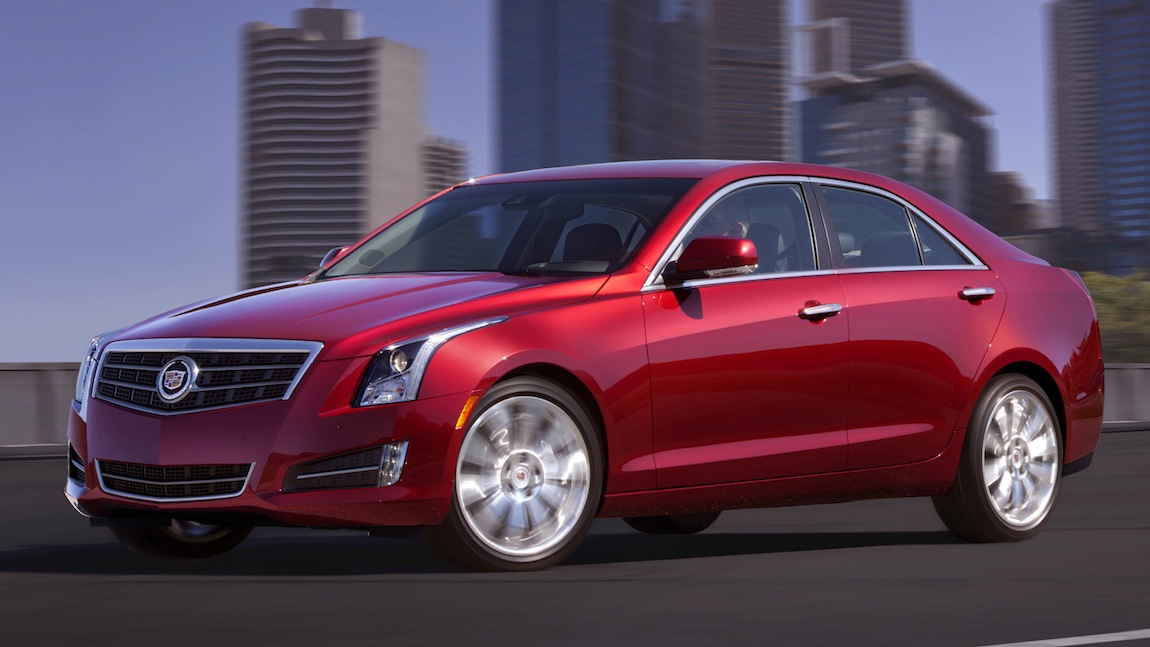
DETROIT – From the very outset of development, engineers focused on making the Cadillac ATS one of the lightest cars in the compact luxury segment. Its curb weight of less than 3,400 pounds (1,542 kg) is a key contributor to a world-class driving experience and helps make the new sport sedan more efficient.
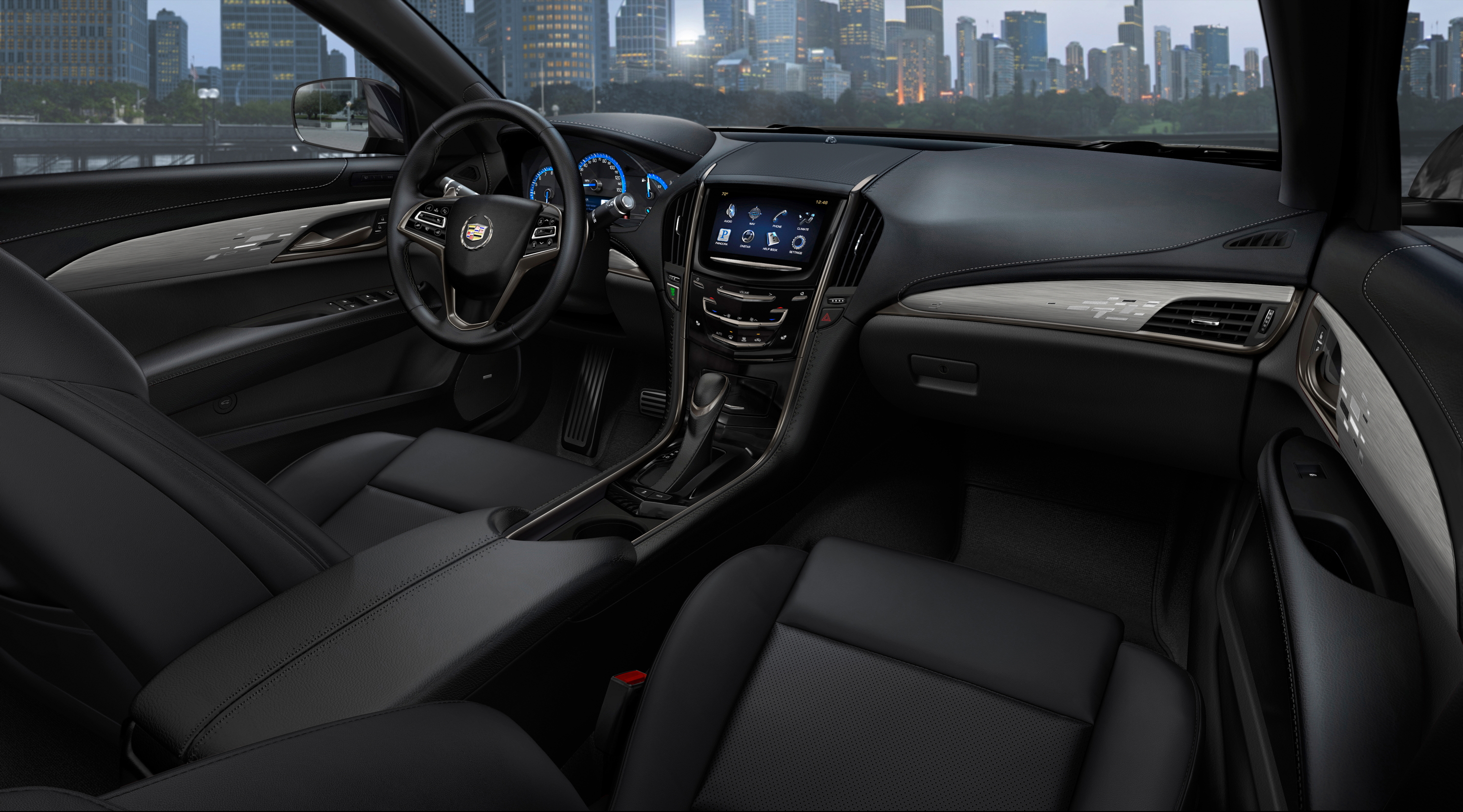
An aluminum hood, magnesium engine mount brackets and even lightweight, natural-fiber door trim panels contribute to the ATS’s low overall mass – and reflect the systematic approach of evaluating every ounce that goes into the car.
“Low weight helps enable the ATS’s driving experience, making it feel more nimble and controllable,” said Dave Masch, ATS chief engineer. “Mass efficiency helps the car respond more immediately and precisely to driver input, and improves fuel efficiency.”
Discipline to mass efficiency was a driving force in the development of the ATS. The engineers and designers stayed true to the performance goals and desired driving character. The development team’s culture was also instrumental, as everyone from engineers to suppliers and leadership kept mass as a primary consideration.
“We thought about grams, not pounds, and looked at how even the smallest of changes could contribute to the overall mass goal,” said Masch.
Load and space management – what engineers and mathematicians call topology – was applied during the design of the car’s structure. That helped ensure mass efficiency was built into the very foundation of this all-new architecture. Advanced computational development helped determine the most efficient design, emphasizing strength and stiffness via the use of high-tech materials. High-strength steel (HSS) and ultra-high-strength steel (UHSS) are used most effectively to reduce mass and optimize crash protection.
The ATS features UHSS in areas such as cross-vehicle beams around the “safety cage” of the body structure.
Compared to conventional steel used in most body structures, the yield and tensile strength of HSS is about four times better, while UHSS – which can include boron steel – is up to four times stronger than high-strength steel. That allows these strategic parts to be made of thinner gauges for reduced weight, while still offering the same – or greater – strength of bulkier structures made of conventional steel.
ATS powertrain and suspension systems feature extensive use of aluminum, another material that offers an excellent blend of strength and low mass. Many of the links for the front suspension are aluminum, as well as the front suspension cradle on both rear-wheel-drive and all-wheel-drive models. Also, the design of each component was carefully studied to optimize size and form.
“The design of each part was refined carefully, so excess material that didn’t contribute to function or strength was eliminated,” said Masch.
The aluminum-intensive powertrains not only helped minimize overall weight, they are instrumental in favorable power-to-weight ratios that contribute to the ATS’s willing feeling of performance. With the 3.6L V-6, for example:
- The cylinder block and cylinder heads are cast in aluminum.
- A composite intake manifold saves approximately 5.5 pounds (2.5 kg) over the weight of a comparable aluminum intake.
- An integrated cylinder head/exhaust manifold design saves approximately 13 pounds (6 kg) per engine when compared with a comparable engine with separate head/manifold assemblies.
- The connecting rods are made of powdered metal with a higher ratio of copper, which makes them stronger and helped reduce weight.
- The pistons are made of lightweight cast aluminum, which means less reciprocating mass in the engine for less inertia and greater operating efficiency.
But for all their gram-shaving initiatives, engineers were careful to balance the ATS’s mass to ensure Cadillac’s signature refinement wasn’t sacrificed. Thinner door glass, for example, would have saved a few pounds, but at the expense of increased road noise. Weight was even put back into aluminum wheel castings during the development process to enhance strength and reduce road noise.
Likewise, the rear suspension cradle for the five-link independent rear suspension is made of steel, which helps reduce noise and provides counterweight to the engine and transmission at the front of the car to help the ATS achieve its nearly 50/50 weight distribution.
The 2013 Cadillac ATS goes on sale during the second half of 2012.