2008 Cadillac STS-V Test Drive

I regularly monitor Ebay for  any Cadillac V-Series that show up.  The Cadillac V-Series are tuned high-performance luxury models from Cadillac, and are special, limited production models.  The CTS-V, the STS-V, and the XLR-V are the examples released to date.  These are fairly rare automobiles, so I stopped by this morning to meet this local Cadillac STS-V in person.
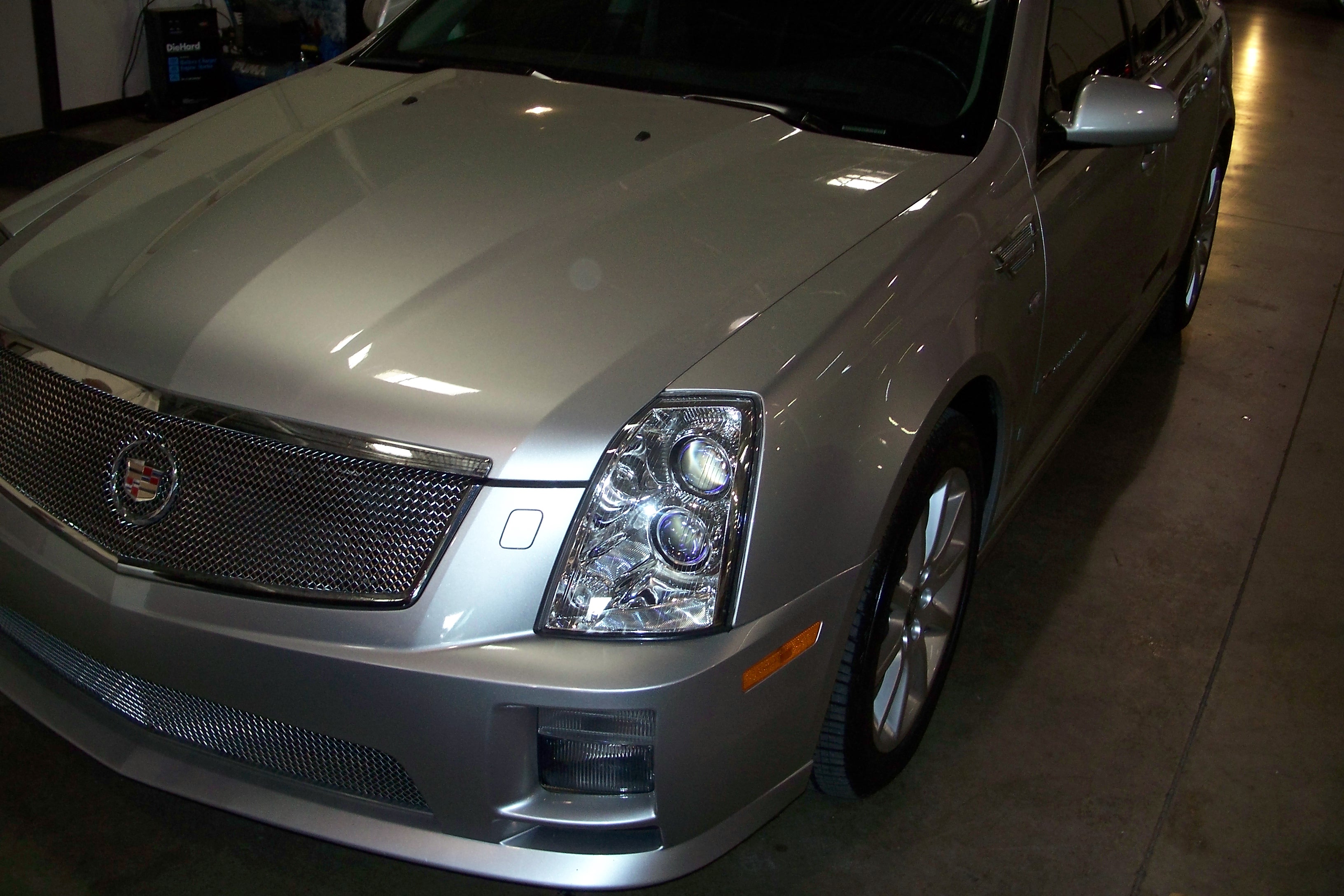
2008 Cadillac STS-V

I have been shopping for a 2008 Cadillac STS-V.  I would enjoy simply getting a new 2009/2010 Cadillac CTS-V, but they are still more expensive than I care to spend.  The STS-V when new cost around US$79K, but they are depreciating nicely and have almost / not quite come into my targeted price range.

2008 STS-V Back

This example is a nice off-lease STS-V with 22K miles.  It was purchased in Oklahoma, then went to auction and came along to Addison, Texas near Plano.   It appeared to be in good condition, good tires, good interior.

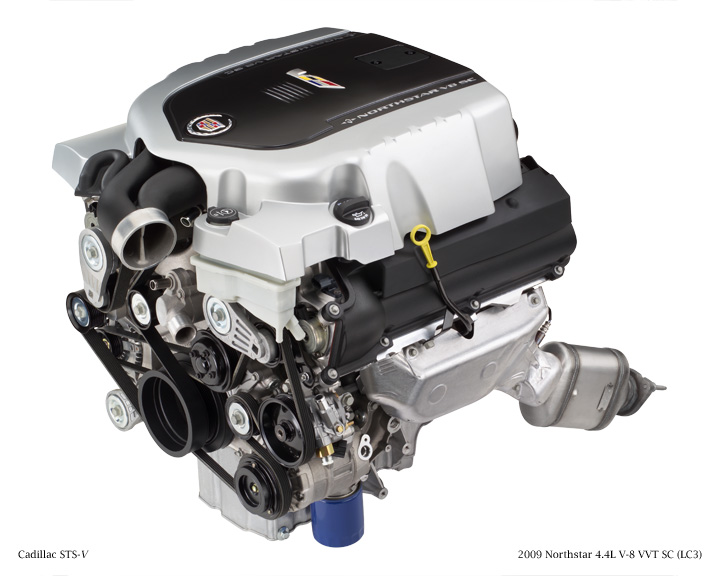
The STS-V has a 469 hp Supercharged 4.4L DOHC VVT direct injected V8 engine. It has Brembo performance brakes, and a tuned suspension using Sachs shocks/struts. It is definitely a runner.  The leather seats have suede inserts to give additional friction for keeping you in the seat.  The steering wheel forgoes the normal Cadillac wood trim for more grippy leather. There are wood trim highlights on the console and doors of course.
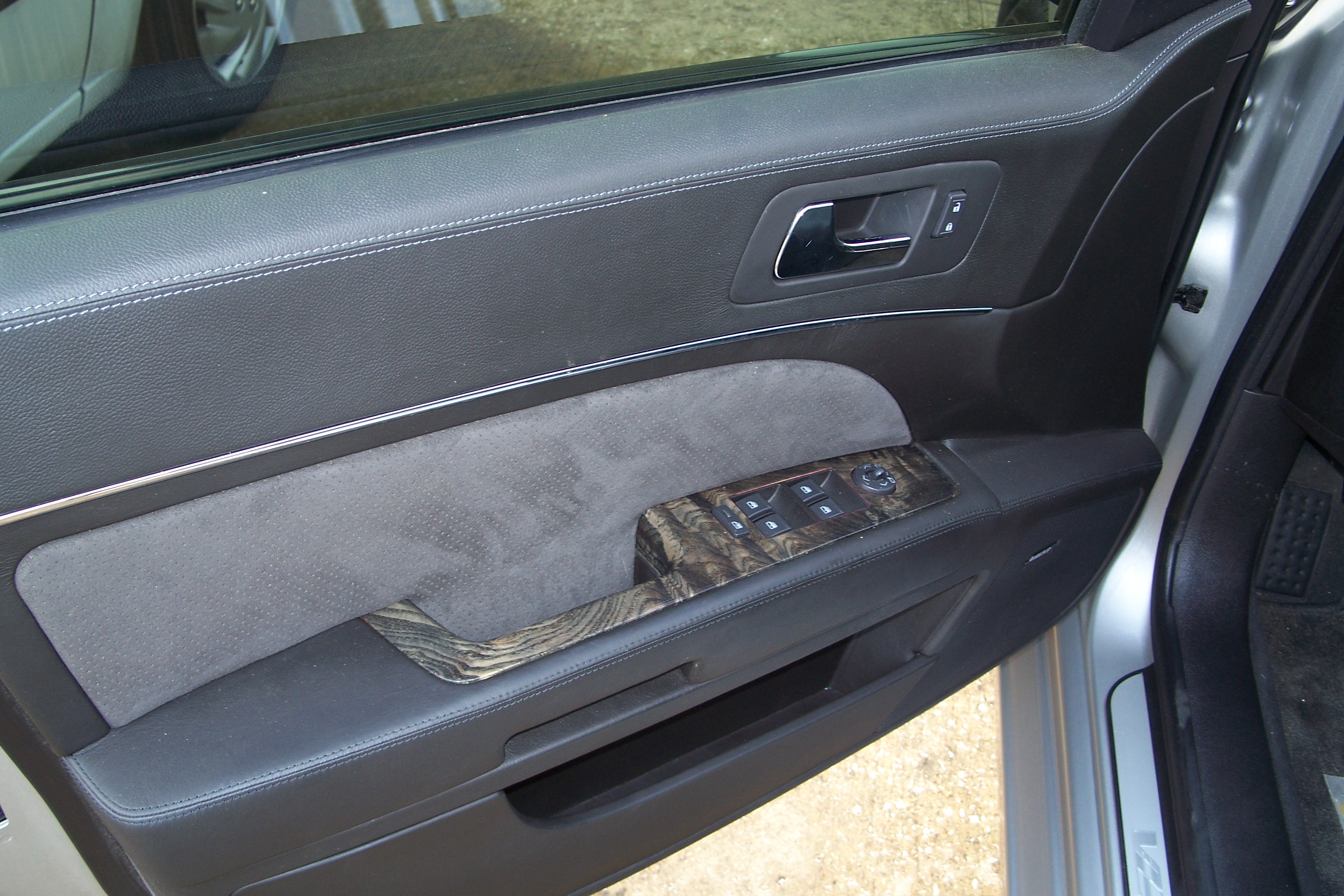
2008 STS-V Door wood trim highlight

The STS-V was one of the first examples of the Cadillac cut and sew approach to interior leather. The interior pieces are hand-cut to fit and sewn together, giving a very careful, custom finish to the interior.  An interesting point to me is that the navigation screen actually has a narrow-angle tilt adjustment, I assume to ensure maximum visibility in a variety of lighting situations; I found this a very thoughtful feature.
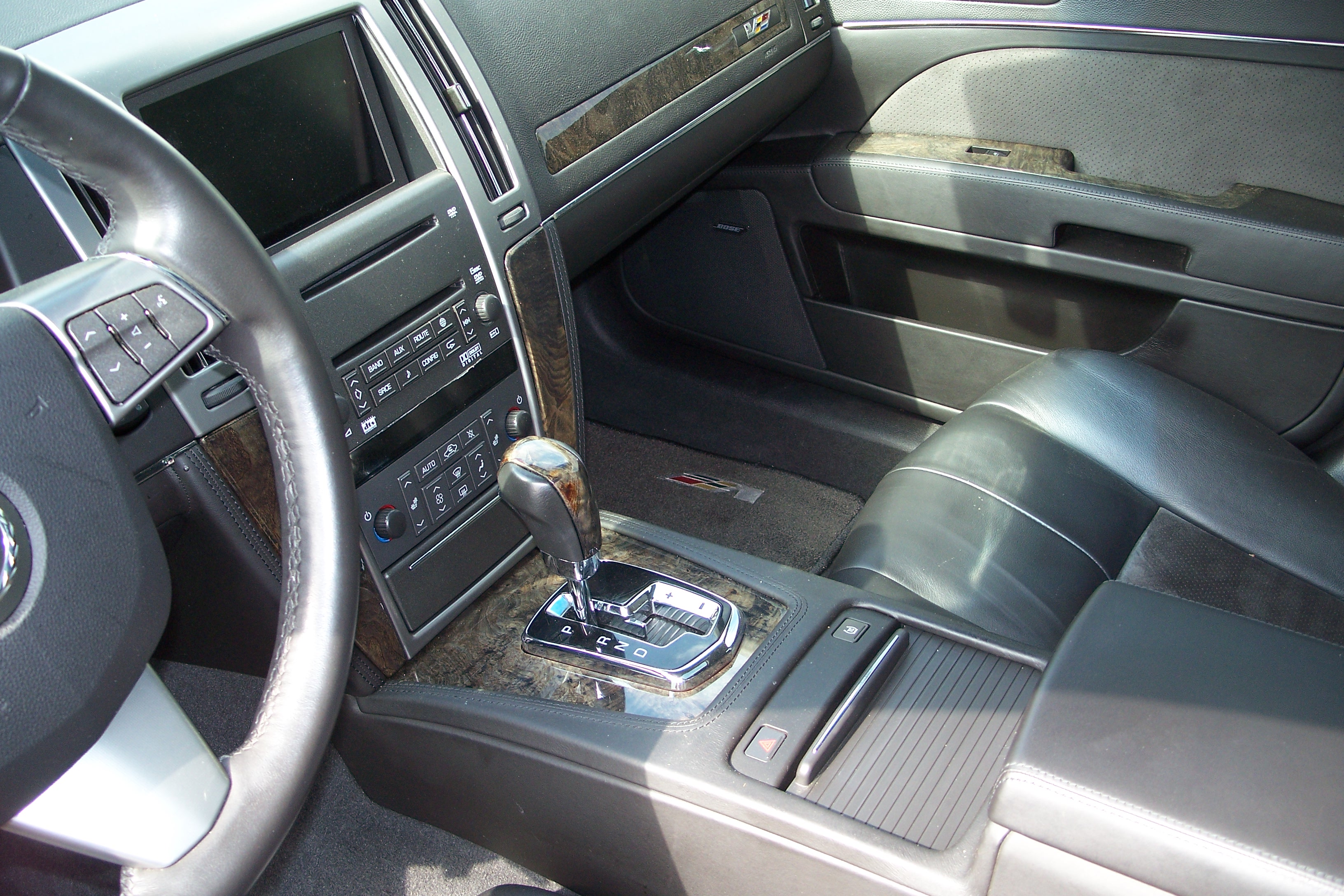
2008 Cadillac STS-V interior shot

The STS-V uses 18″ wheels in the front, 19″ wheels in the back, with big rubber — P255/45R18 front and P275/40R19 rear, Pirelli, W-rated, EMT, blackwall from the factory.  This one had Bridgestone Turanza Serenity tires on it, so one might assume the originals were replaced.  Due to the staggered wheel sizes, and to save weight, there is no spare tire in the STS-V.  The original equipment tires were run-flat tires.

One can see the 4-piston Brembo brake calipers and 14″ discs in the photo below.  These Cadillacs are the complete package, and go, stop, and turn well.
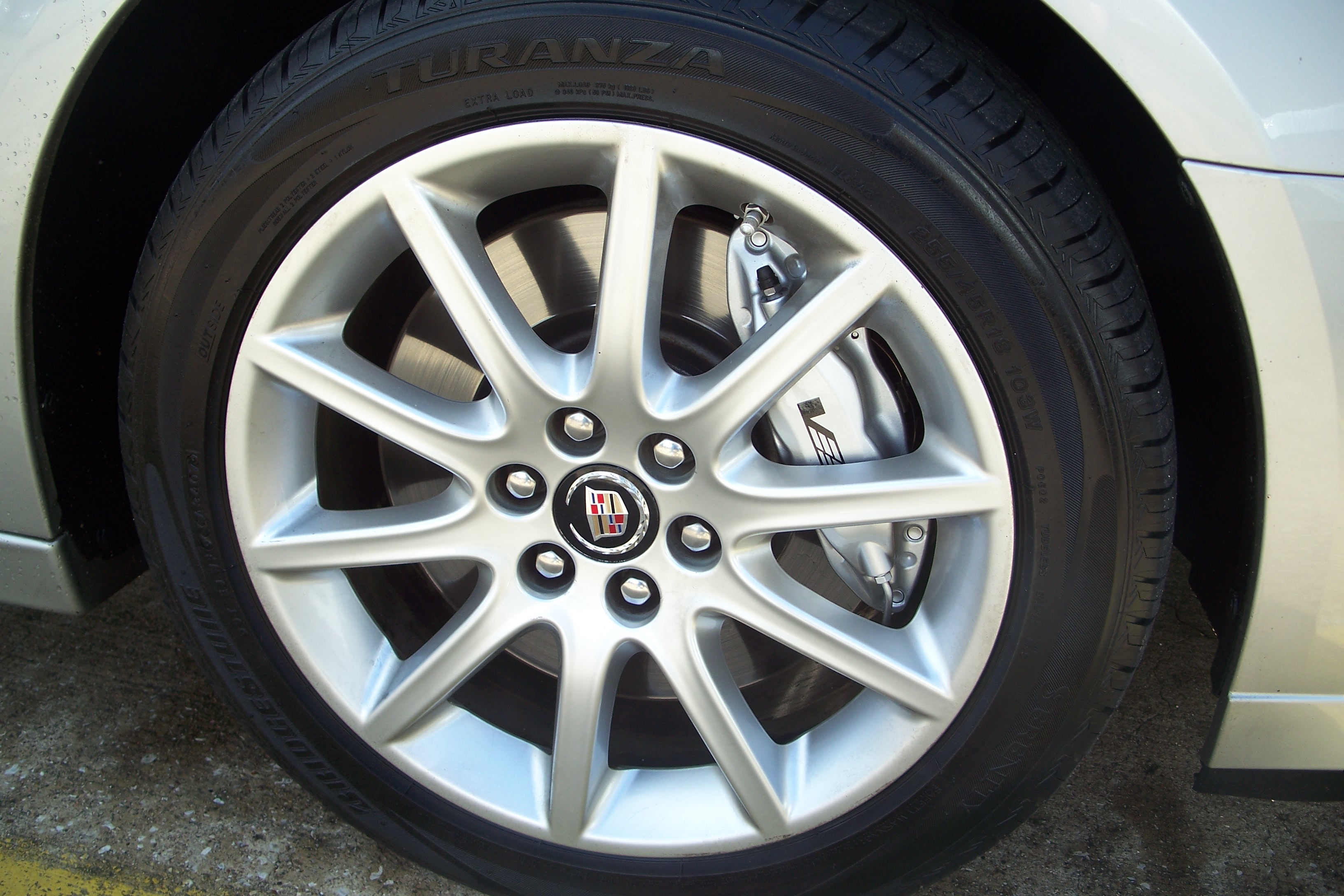
2008 STS-V wheels

Driving Impressions

I was very interested to see how the STS-V compared with the 2010 Cadillac CTS-V I test drove last weekend.  The CTS-V had the optional Recaro Sport seats, and the STS-V had ‘regular’ seats.  The STS-V seats are comfortable, but I prefer the Recaro seats.

The STS-V has more then adequate pickup of course, with 469 hp on tap.   It gives up a bit to the CTS-V’s 556 hp, but it is hard to say that 469 hp is not enough. The CTS-V has the terrific MR magnetic suspension, while the STS-V shares the 1st generation CTS-V’s tuned Sachs struts/shocks.    Both cars have electronic stability control, traction control, limited slip differentials, and share the same 6 speed automatic transmission with driver shift control.

I was surprised that the STS-V has a bit of supercharger whine.  Nothing to complain about (I like it), but it is there.  The CTS-V made a variety of delightful noises under power, but I did not detect any Supercharger whistle from inside the car, although my friend Jim noted that as I pulled up he could hear the CTS-V Supercharger.

The attraction of the 2008 STS-V is that it is a lot less expensive than the CTS-V, but has a lot of the similar performance traits, and has some features that are not available in the CTS family.  For example, the 2008 STS-V has head’s up display (HUD), lane departure warning, side blind zone alert, and adaptive cruise control.

Conclusion

This test drive further validated my conclusion that the STS-V would be a terrific car to get for my next Cadillac.  With the jewel-like 4.4L Supercharged DOHC VVT Northstar V8, it is a historically important model.  This was not the ‘last’ Northstar, but this series was the peak of Northstar V8 development.  I am a function over form guy, but I recognize that this is a special, hand-built engine performing very well on the platform it was exactly designed to power.  In 2008 this car was the finest sports luxury sedan Cadillac offered.
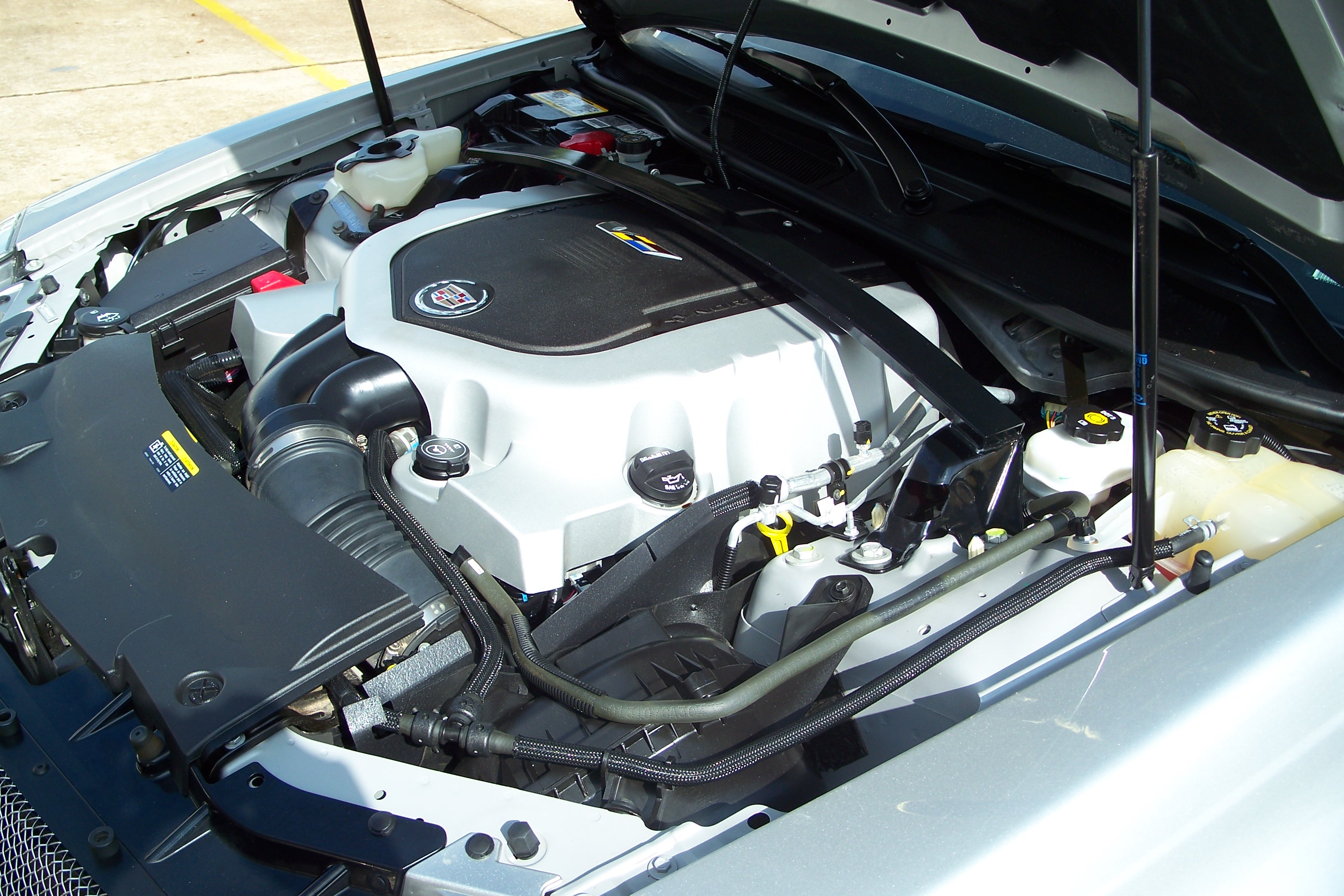
2008 Cadillac STS-V Supercharged Northstar

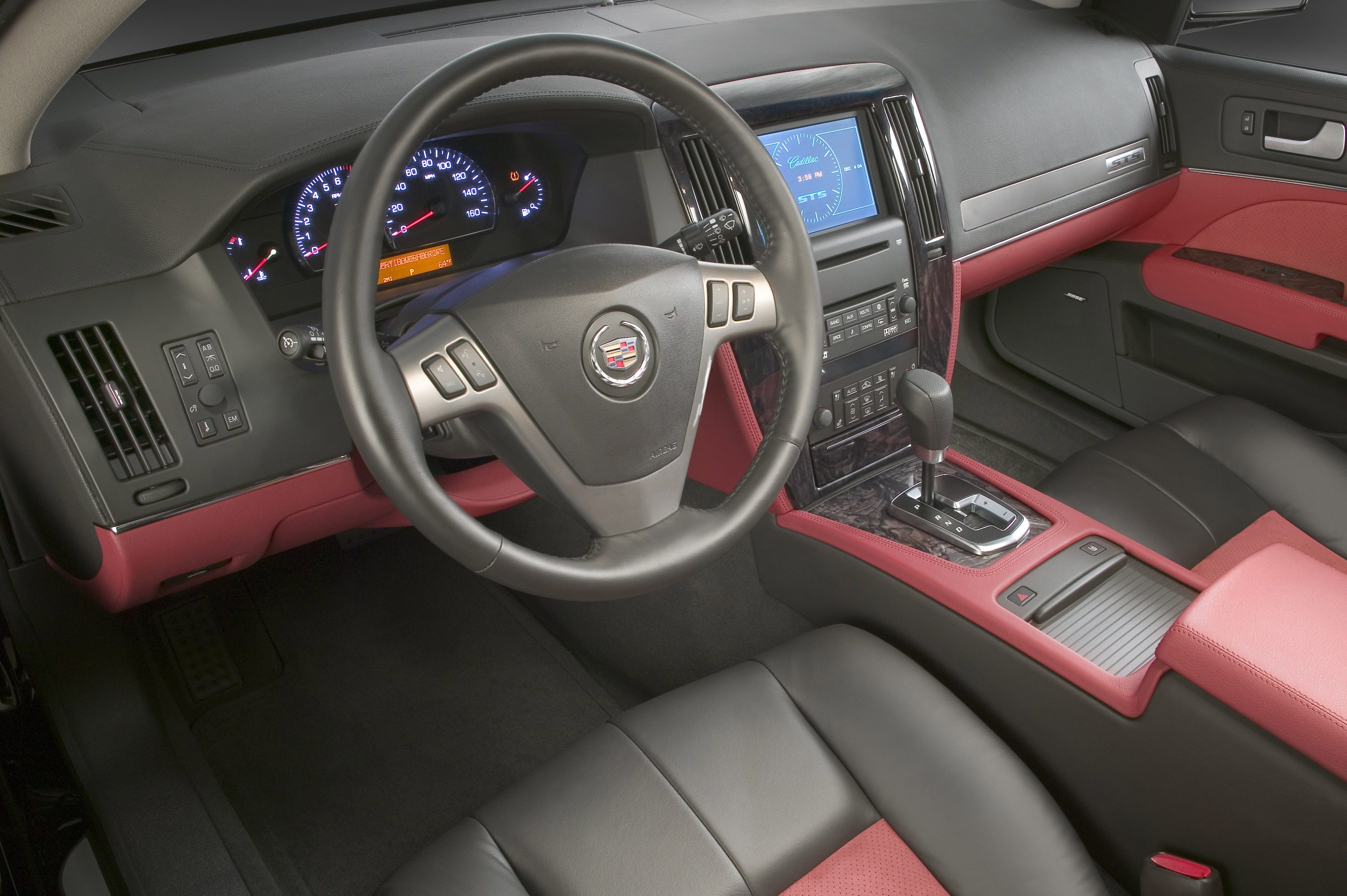
In pursuit of the perfect $30K Cadillac

The total cost of owning a car includes a variety of factors.  The actual price of the car is not directly a factor, unless you keep the car forever.

The difference in price of a car between when you buy it and when you sell it form the simple depreciation of the car while you owned it.   For example, if you were to purchase a car (we’ll call it car1),  for $45K, drive it for a year, then sell it for $40K, you might say that car1 cost you $5K to drive for a year.  On the other hand, if you purchase car2 for $25K, drive it for a year, then sell it for $18K, it cost you $7K to drive car2 for a year.  So although car1 had a higher price, car2 had a higher depreciation, and so cost more to drive for the year.

For my next Cadillac I plan to target an expense range of $400/month for the car.  I plan to drive it for 60 months.  At the end of the 60 months I anticipate that the residual value of the car will be no greater than $5K.  This means I will be looking for a vehicle that has a purchase price of $24K (60 mo x $400) plus $5K, or $29K.

Since the new CTS starts at $35K, that seems difficult as a budget for a Cadillac.  But I will not be shopping for a new car this time out, but rather for a 2 year old model with under 25K miles.  I also know that I drive an average of 15K miles per year.  Keeping in mind my 5 year horizon, if I purchase a car with 25K miles, after 5 years it would have 5×15=75K + 25K = 100K miles, and should still be in relatively good shape, and not require excessive maintenance or repairs.

My favorite target that is just coming into the 30Ks is the 2008 Cadillac STS-V.  As I have previously noted, the STS-V with every option known to man and a 469 hp supercharged DOHC Northstar V8 seems an amazing value, and it a high-weather mark in STS development.  I am hopeful that by this summer I will be able to find an excellent example within my price range.  Alternates would be to shop a fully loaded 2008/2009 CTS Sedan, or STS V8 Sedan, but the power and suspension tuning of the STS-V fit my idea of fun better.

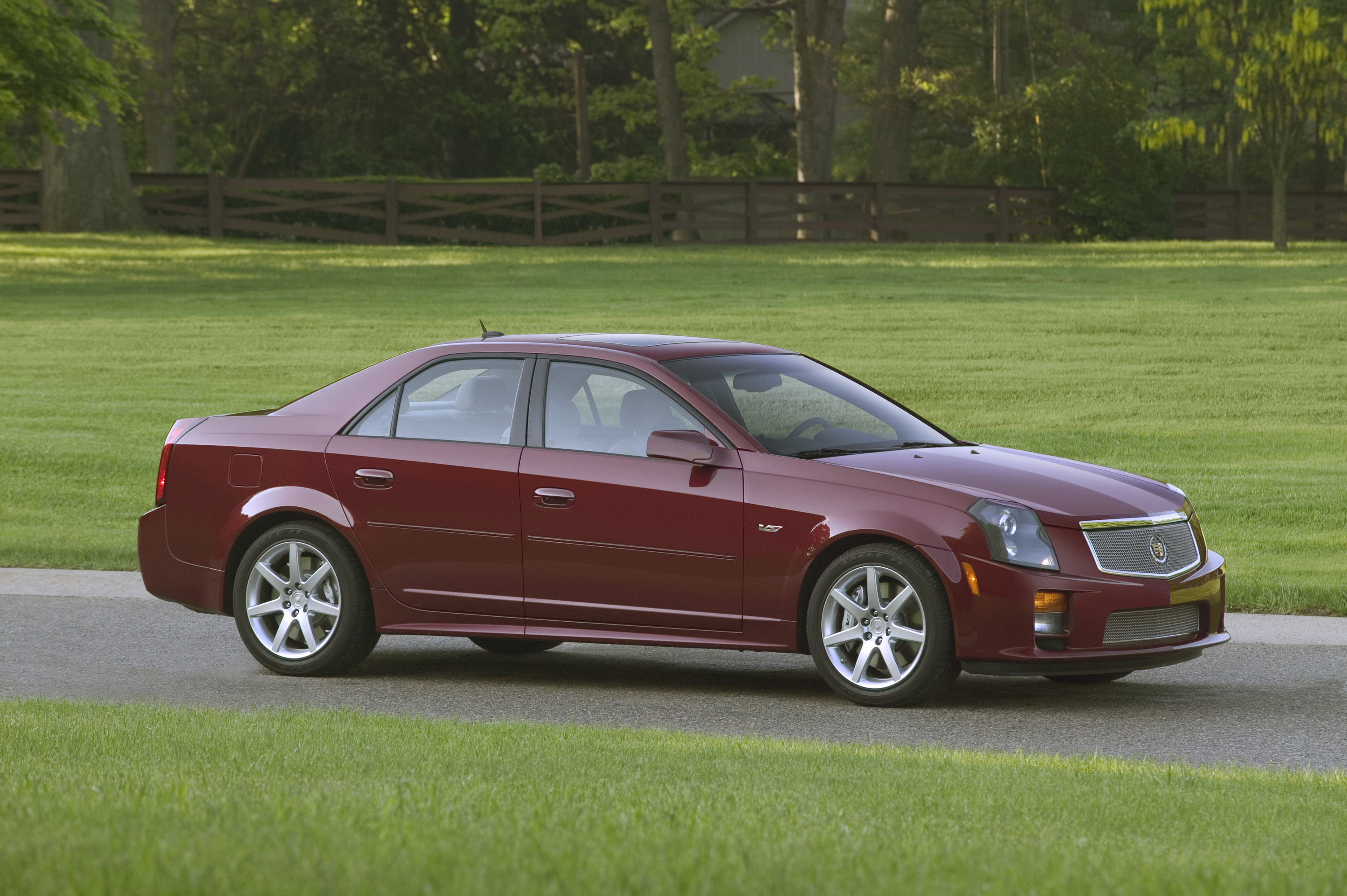
2006 Cadillac STS-V

STS-V Interior Tango Red option shown

Now it is just the matter of finding the right STS-V. Total sales in 2008 of this model was under 500, but as the V-Coupe arrives this summer hopefully more of the STS-Vs will be coming out of the woodwork.

I have not lost my love for the new 2nd Generation CTS-V of course, and once prices for the Super Car CTS-V are in the mid to low $30Ks I will be looking very hard at them for the next Cadillac V.

Cadillac V-Series Turning it up to 11

At Cadillac, V stands for Velocity.

What happens when Cadillac takes one of their current sports luxury sedans and turns the volume up to 11?  A Cadillac V-Series Model.

What is the Cadillac recipe for the V-Series?

  • More Power — swap in one of the most powerful engines available
  • More Handling — Tune the Suspension &  wheels/tires.  If a ‘normal’ base Cadillac suspension is FE1, Luxury models get an improved, tuned FE2 suspension.  This brings different shock/strut tuning, and sometimes anti-roll bar tuning. Performance models get summer tires and the FE3 suspension.  The V-Series gets FE4 tuning, which tends to be a  road & track setup.
  • More Brakes — rapid, fade-free stopping power.  Most sports cars and sports luxury cars can stop rapidly.  But when are driving at the limit one is on and off the brakes frequently through the corners, and the brakes rapidly heat up, and begin to fade.  The V-Series receive high performance, cooled braking setups for maximum stopping power, lap after lap.
  • Unique branding, markings, and distinction.  This seems trivial, but when you care enough to purchase the best vehicle available, it is nice to have reminders of just what your vehicle is capable of.

Let’s look at the examples Cadillac has accomplished to date:

  • 2004-2007 1st Generation CTS-V:  Added 400 hp LS6 (04/05), then LS2 (06/07) V8 engine.  Tuned sport suspension (FE4), with a track suspension (FG2) available as a dealer-installed option.  Brembo 4-piston caliper brakes front & rear.  Only 6-speed manual transmissions.

    2007 Cadillac CTS-V

  • 2006-2009 STS-V:  Added 469 hp LC3 4.4L Supercharged Northstar engine.  The engine was actually lowered in the chassis in order to give a lower center of gravity when compared with the non-V STS.  Tuned sport suspension (FE4).  Although the MR suspension was available, the Sachs tuned shocks gave just a bit of an edge on the track at the time, and were selected.  Brembo 4-piston caliper brakes front & rear.  New 6-speed Automatic transmission introduced.

    Supercharged Northstar

  • 2006-2009 XLR-V: Added 440 hp LC3 4.4L Supercharged Northstar engine.  Tuned sport suspension (FE4).   Because the XLR already shared the Corvette chassis/platform, sporty handling was already in its DNA.  The XLR-V and the STS-V were both originally specced at 440 hp, but with a bit of additional room under the domed hood the STS-V was tuned just before certification to 469 hp.

    Cadillac XLR-V (left) and STS-V (right)

  • 2009 2nd Generation CTS-V: Added 556 hp LSA 6.2L Supercharged V8.  Tuned sport suspension (FE4). 6-piston Brembo brakes front, and 4-piston in rear. The 2nd Generation CTS-V premiered the newly sport-tuned multi-mode MR Magneto-Rheological Suspension, which can react within 10 milliseconds to changing road conditions.

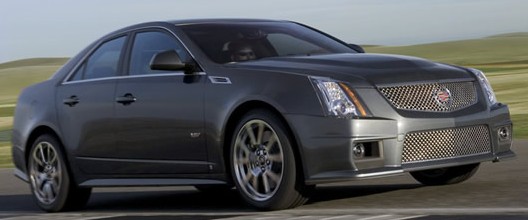
    2009 Cadillac CTS-V

Overall the Cadillac V-Series has provided the custom coach, high performance livery of this period.  The 2009 CTS-V casually set the world record for sedans on production tires at the Nurburgring of 7:59 min:sec, (since contested by the Porsche Panamera).  The 2006 STS-V had a previous time of 8:15 min:sec.

When your new 2nd Generation production CTS-V has the same or more power than the racing version of the 1st Generation CTS-VR, you know that you are making a serious production vehicle.

What’s next for the V-Series?  This summer we will see the V-Coupe, and the V-Sport Wagon, both with the terrific LSA Supercharged 6.2L engine and the rest of the go-fast CTS-V kit.  Cadillac has said that we will not see a V-Series of every model.  So probably never a V-Series Escalade, or SRX, or XTS.  But other manufacturers have reversed course and offered performance-tuned sport utility vehicles, so we may yet see more diversity.

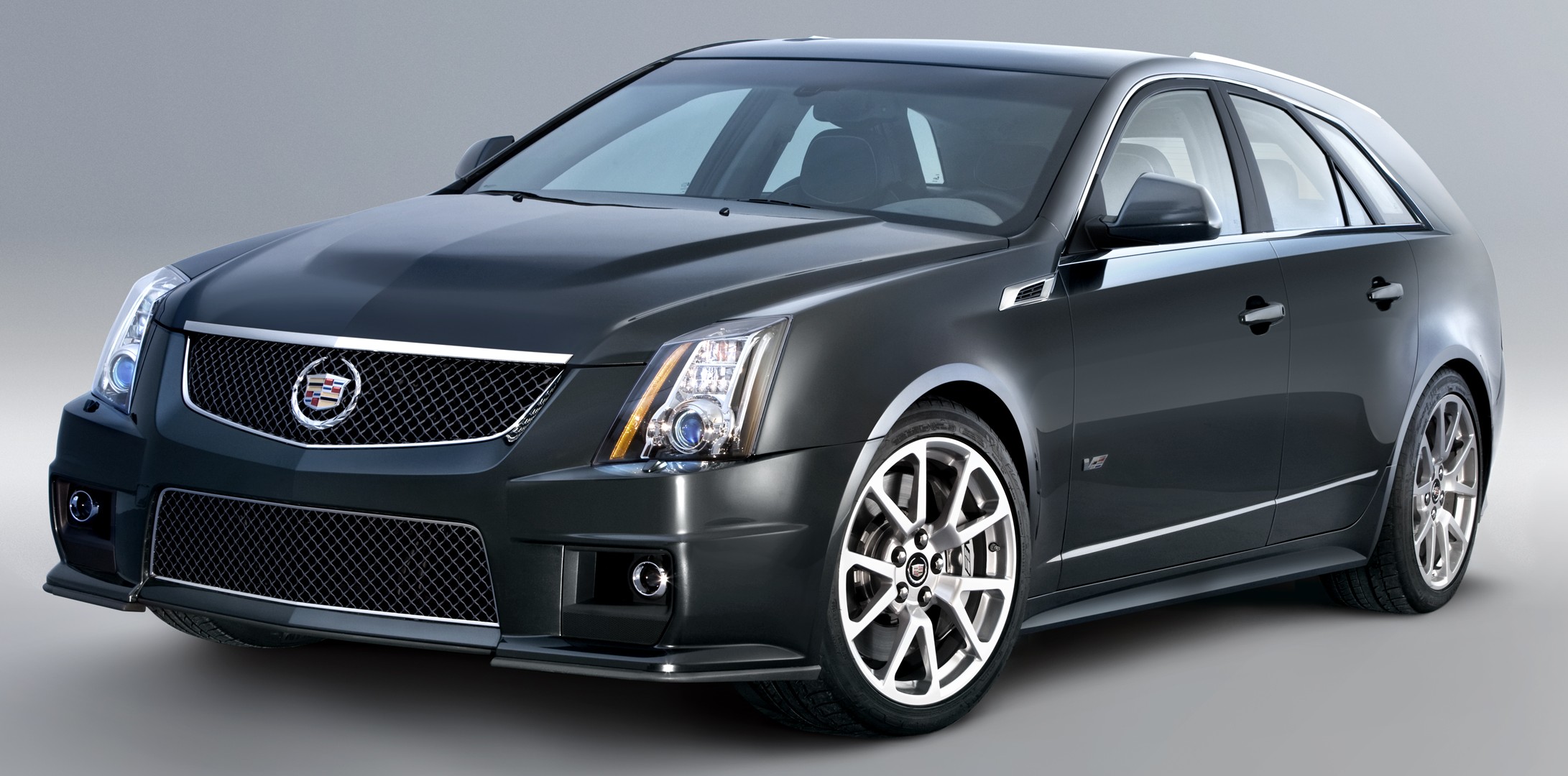
2011 Cadillac CTS-V Sport Wagon

Cadillac CTS-V Sport Wagon

What is the best way to show Cadillac you want to see more of these terrific cars?  Buy one.